Is the dose real?Panel read — dose not verified10 ingredients listed; no advertised amount we could confirm against them
What a serving costs$3.62per serving, at the checked price
Is it tested?Claimed — no lab or certificate found
Who’s behind it?🇺🇸Universal Protein Supplements Corporation DBA Universal Nutrition, Inc.corporation · NEW JERSEY, USA
Is it the real thing?✓Barcode matches outside records
Trouble on record?✓No recalls found
The label itself
What the Supplement Facts panel says
Serving size Serving Size 1 Pack · 21 servings per container
| KSM-66® Ashwagandha Extract (Withania somnifera) (root) | 600 mg |
|---|
| Stinging Nettle (Urtica dioica) (root) | 600 mg |
|---|
| Fenugreek (seed) | 250 mg |
|---|
| Tongkat Ali Extract (Eurycoma longifolia Jack) (root) | 200 mg |
|---|
| Yohimbe Extract (bark) | 150 mg |
|---|
| Arachidonic Acid Oil 40% Softgels | 1.25 g |
|---|
| Winged Treebine Extract (Cissus quadrangularis) (leaf) | 250 mg |
|---|
| Grapefruit (peel) | 250 mg |
|---|
| Japanese knotweed extract (Polygonum cuspidatum) (root) | 100 mg |
|---|
| BioPerine® (Black Pepper Extract (fruit)) | 5 mg |
|---|
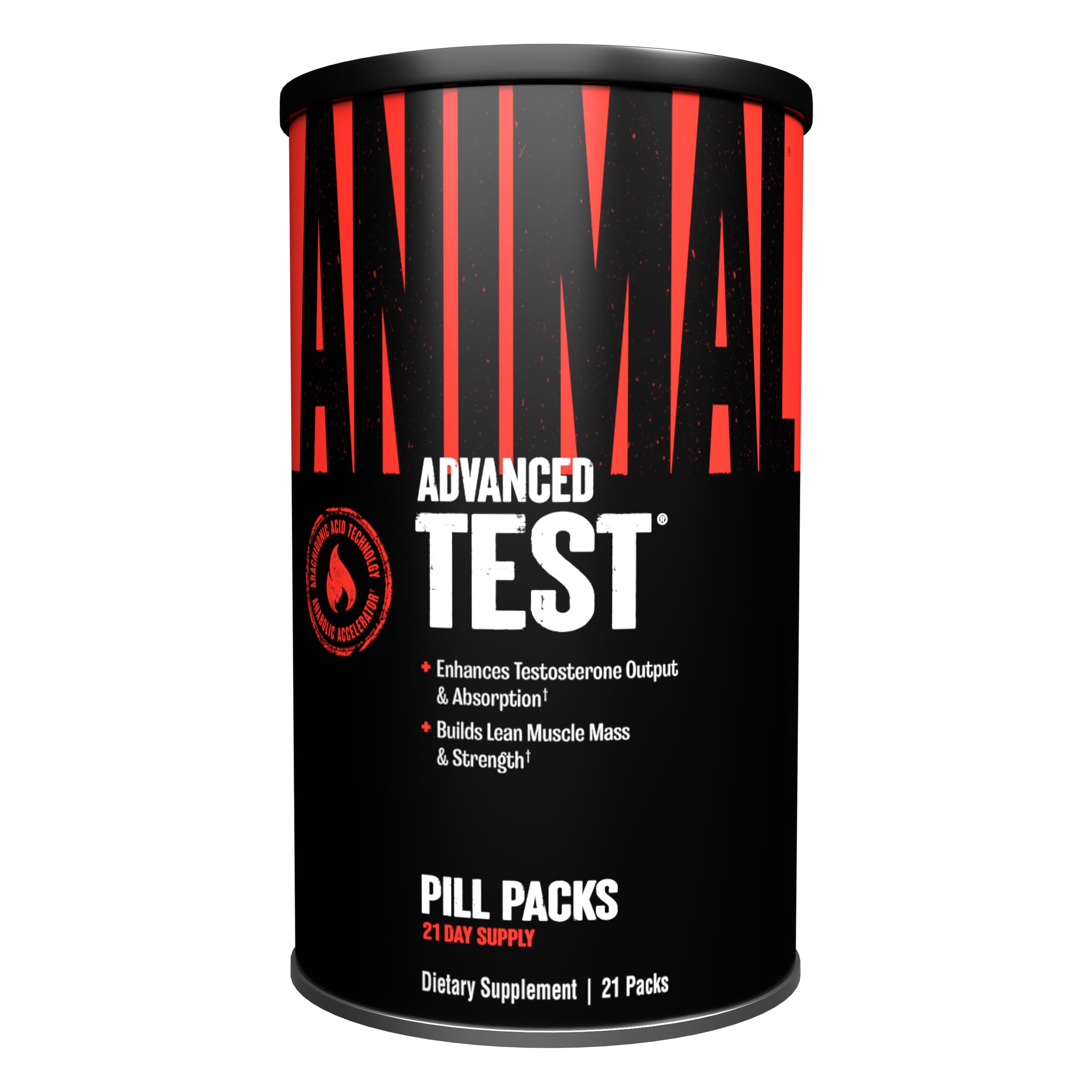
Printed on the package: ARACHIDONIC ACID TECHNOLOGY · ANABOLIC ACCELERATOR · IRONCLAD QUALITY & GUARANTEE · COMMITMENT TO EXCELLENCE · THIRD PARTY LABORATORY TESTED · MANUFACTURED IN USA
We read 10 lines from the package photograph. It is our transcript of the label, not the manufacturer’s panel, and it may be incomplete.
Who owns the brand wordmark?
🇺🇸Universal Protein Supplements Corporation DBA Universal Nutrition, Inc.Corporation · exact supplement-class mark for ANIMAL
Filed address
3 Terminal Road, New Brunswick, NEW JERSEY 08901, UNITED STATES
USPTO identifies the public owner or applicant behind this brand wordmark. This does not by itself identify the product manufacturer or prove where the product was made. Open USPTO source ↗
Background reading
What the research says about these amounts
Not a score. Studies disagree with each other and change over time, so this sits beside the evidence rather than counting toward it — it is here so you can read the sources yourself.
The panel lists 600 mg of ashwagandha per serving. Studies we found used 250 mg–600 mg a day, so this sits inside that range.
0studied 250 mg–600 mg
Study ranges differ between trials and change as research changes. This is background reading, not a pass, a failure, or a recommendation.
The panel lists 200 mg of tongkat ali (Eurycoma longifolia) per serving. Studies we found used 200 mg–400 mg a day, so this sits inside that range.
0studied 200 mg–400 mg
Study ranges differ between trials and change as research changes. This is background reading, not a pass, a failure, or a recommendation.
The panel lists 250 mg of fenugreek per serving. Studies we found used 500 mg–600 mg a day, so this sits below that range.
0studied 500 mg–600 mg
Study ranges differ between trials and change as research changes. This is background reading, not a pass, a failure, or a recommendation.
Record built September 03, 2026. Sources: source listing observed at check time · USPTO Trademark Search · Keepa exact-listing history · NIH / published research · certification and regulator records where available. LookCloser publishes evidence and gaps; it does not advise for or against any supplement. Evidence-based corrections welcome.