LookCloser.aipublic supplement evidence
Exact product checked · GTIN 199284098862TERRA ELMNT · observed 2026-07-22
The useful read · TERRA ELMNT

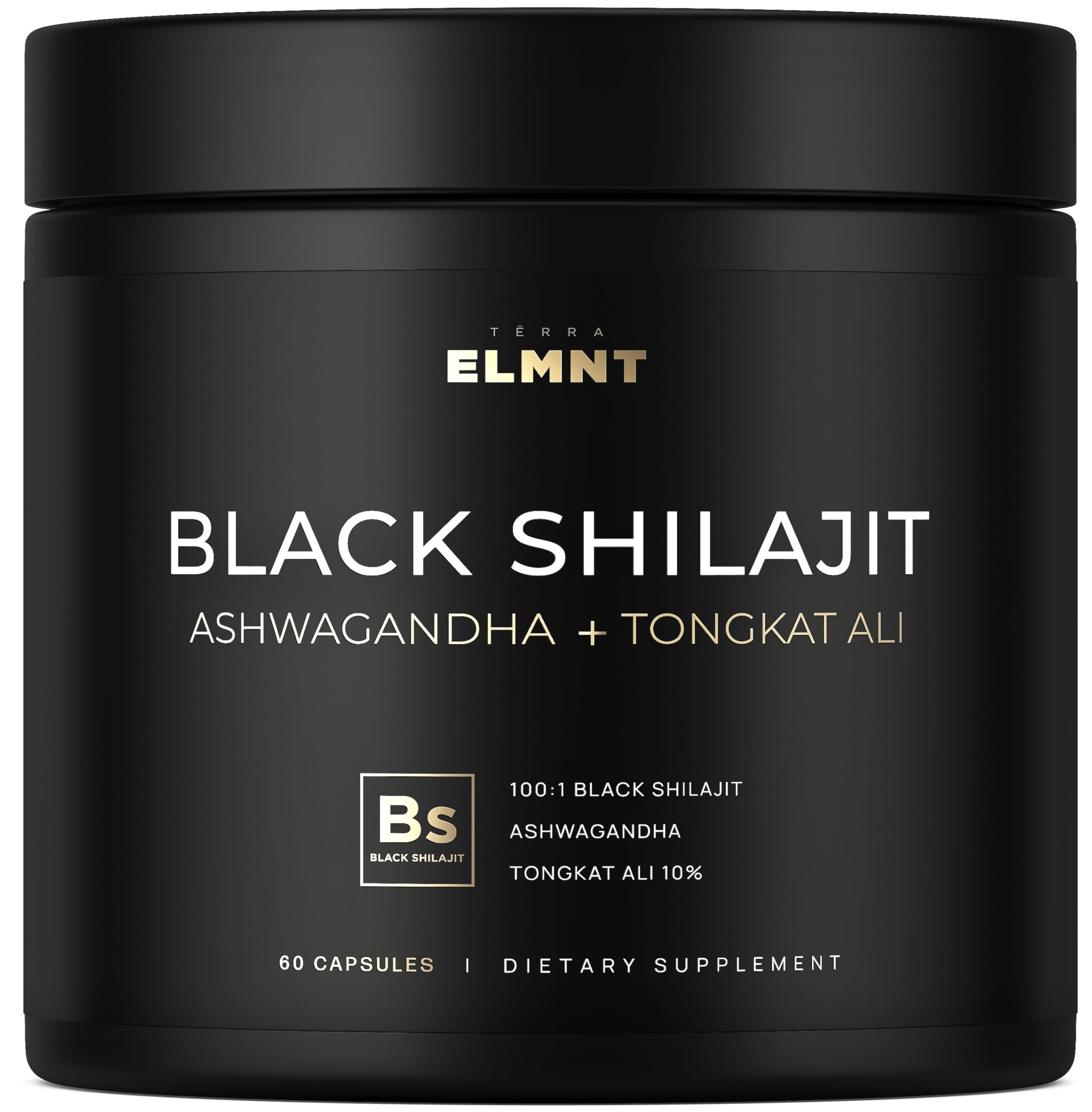
100x Strength Black Shilajit for Men w. 10% Tongkat Ali &…

The pack says it is tested, but names no lab or certifier.

Rebuilt from public sources on July 23, 2026 · evidence availability is not a safety or effectiveness verdict.

60capsules · 30 servings
Needs explanation

The pack says it is tested, but names no lab or certifier.

A testing badge without an issuer or report is a marketing claim, not evidence. Ask for the lab name and lot-specific report.

Needs explanation

Category context: sexual-enhancement products carry documented FDA risk

This is category history, not proof about this product, but it changes how much unsupported claims deserve to be trusted.

Checks out

Every declared ingredient has an amount · 3 quantified rows.

You can compare each declared dose with research instead of guessing what is hidden inside a blend.

Shopper scorecard

The useful findings, in decision order.

Only product facts and comparisons earn a card. Pipeline gaps stay collapsed.

01

Is the label honest?

Checks outNIH / published research

Every declared ingredient has an amount · 3 quantified rows.

The panel gives a per-ingredient amount rather than hiding quantities inside a proprietary blend, so each one can be compared to published research.

Why it mattersYou can compare each declared dose with research instead of guessing what is hidden inside a blend.

Open the source-linked finding
03

Any trouble on the record?

Needs explanationCertification / laboratory record

The pack says it is tested, but names no lab or certifier.

The listing claims third-party testing without naming any lab or certifier, so the claim can't be verified as stated.

Why it mattersA testing badge without an issuer or report is a marketing claim, not evidence. Ask for the lab name and lot-specific report.

Open the source-linked finding
Needs explanationFDA public records

Category context: sexual-enhancement products carry documented FDA risk

FDA's health-fraud program documents sexual-enhancement products as the most common supplement category found to contain undeclared prescription-drug ingredients. This is a category-level documented fact from FDA's public database — not a test result for this specific product. So…

Why it mattersThis is category history, not proof about this product, but it changes how much unsupported claims deserve to be trusted.

Open the source-linked finding
05

Will it do what you want?

Public contextNIH / published research

Research links are available for ashwagandha, tongkat ali.

Published sources describe how ashwagandha, tongkat ali have been studied. This is ingredient context only; the record does not establish that this product delivers the studied dose or outcome. Sources: NIH NCCIH — Ashwagandha, PubMed search: ashwagandha randomized trial.

Why it mattersUse the linked research to check whether the ingredient and outcome you care about are actually connected. Ingredient evidence does not verify this product.

Open the source-linked finding
What remains open 3
  • Not yet in NIH's public label registry.
  • Barcode checksum is valid; no independent product record was found.
  • No dated review-history series is on file yet.

These are evidence gaps, not strikes against the product.

Relevant research · quick links

Read the ingredient evidence directly

These links provide the public research context used alongside the captured panel. They do not establish safety, effectiveness, or product quality.

What would settle the biggest open question?

Can the testing claim be tied to a named laboratory and this product lot? Evidence that would settle it: lot-specific COA naming the laboratory and matching the product lot.

Read / share full evidence →
Open the full evidence trailSources, edge cases, and every unresolved check

Confirmed evidence

What checked out01

These checks found support in the public record. They confirm specific facts, not the product as a whole.

Every ingredient amount is disclosed

The panel gives a per-ingredient amount rather than hiding quantities inside a proprietary blend, so each one can be compared to published research.

Confirmed

Documented concerns

What needs caution00

These are documented contradictions or claims that need more evidence. They are separate from missing data.

No contradictions or product-specific cautions were found at this check depth.

Unresolved public record

What is still missing07

We looked for these signals but could not settle them from public sources. A gap is not a strike.

Review-count history: not available

Marketplace rating not shown★ — rating count unavailable. No exact-listing count history was available, so no review-pattern claim is made.

No data

“Lab tested” claimed, but no lab or report named

The listing claims third-party testing without naming any lab or certifier, so the claim can't be verified as stated.

No data

Listed amounts fit the serving

Technical check only: the panel’s 3 actives sum to 1,300 mg, which fits inside the ≈30,000 mg serving. This means the numbers are physically possible — it does not mean the formula was validated or the contents confirmed.

No data

Research context is available for the listed ingredients

Published sources describe how ashwagandha, tongkat ali have been studied. This is ingredient context only; the record does not establish that this product delivers the studied dose or outcome. Sources: NIH NCCIH — Ashwagandha, PubMed search: ashwagandha randomized trial.

No data

This category has documented FDA fraud risk

FDA's health-fraud program documents sexual-enhancement products as the most common supplement category found to contain undeclared prescription-drug ingredients. This is a category-level documented fact from FDA's public database — not a test result for this specific product. Source: fda.gov (linked in Related research).

No data

No label filed with NIH's public catalog

The NIH Dietary Supplement Label Database has no matching label yet. Ingestion lags the market — recorded as a gap, not a strike.

No data

UPC valid, no independent record

Check digit passes; no third-party database record found yet. Coverage gaps are common — not a strike.

No data

What to ask and check

What would settle the open questions

Why is this shown?
Everything we couldn’t verify is something a person can still ask about. Rather than leave gaps sitting as dead ends, we turn each one into a specific question — the exact document, citation, or number that would settle it — plus the things you can confirm yourself with the bottle in your hand.

Ask the brand or seller

1

Can you send the certificate of analysis (COA) for the lot number on my bottle?

A real COA names the testing laboratory, the test date, the lot it covers, and what was measured. “Third-party tested” with no document behind it is a marketing sentence.

2

Is this label filed with NIH’s Dietary Supplement Label Database (DSLD)?

Filing is voluntary, so absence proves nothing — but a filed label puts the full ingredient table on public record where anyone can read it.

Most brands and sellers publish a contact route. A clear answer adds evidence to the record; no answer leaves the question open.

Check for yourself — no one’s permission needed

1

Compare the panel on the bottle in your hand to the one shown in this record.

Ours was read from listing photos and can contain reading errors. The physical label is the source of truth — if they disagree, tell us and we’ll correct the record.

2

Scan the barcode on the package and confirm it reads 199284098862.

A mismatch between the barcode on the box and the one on the listing is worth pausing over — it can indicate a different variant, a repack, or a counterfeit.

3

Check the lot number and expiry on the bottle against any COA you’re given.

A certificate that doesn’t name your lot doesn’t describe what you’re holding.

These are the open questions on this specific record — not a warning about the product, and not a suggestion to buy or avoid it. Getting them answered is how you decide for yourself.

Record built July 23, 2026. Sources: source listing observed at check time · USPTO Trademark Search · Keepa exact-listing history · NIH / published research · certification and regulator records where available. LookCloser publishes evidence and gaps; it does not advise for or against any supplement. Evidence-based corrections welcome.