Every ingredient amount is disclosed
The panel gives a per-ingredient amount rather than hiding quantities inside a proprietary blend, so each one can be compared to published research.
 full report
Full record · 693749015314 · back to the summary
Free to read, download and share — no signup, no paywall, no ads.
What this is. We compare what a listing claims against what public records show — label arithmetic, barcode registries, NIH’s label catalog, FDA enforcement data, certification registries, and published research. Every statement below traces to one of those.
What the states mean. Confirmed = an outside source agrees. Contradicted = an outside source disagrees. Caution = something needs explaining. No data = we looked and found nothing — a gap, not a strike.
What it is not. A clean record is not an endorsement and never proof a product works. A thin record is not an accusation. We publish evidence and gaps; the conclusion is yours. Nothing here is medical advice.
Something wrong? Every figure is meant to be checkable — sources are named and linked. Send a correction and we’ll fix the record.
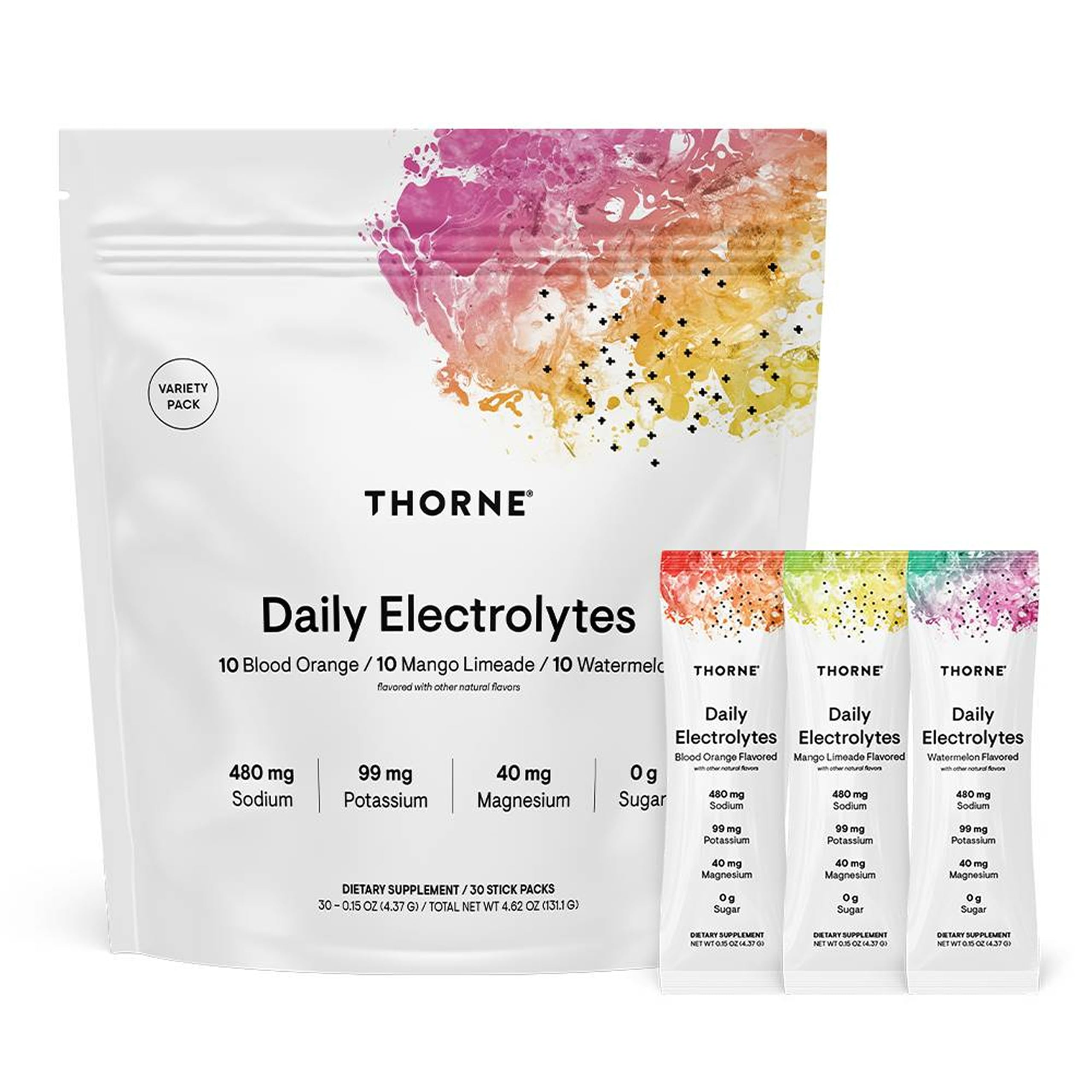
We did the comparison: the listing claims 40 mg of magnesium (as dimagnesium malate), and the listing-image panel shows 40 mg magnesium (as dimagnesium malate) one stick pack (4.37 g). Those amounts agree. This is internal consistency, not independent lab testing.
| Panel row | Amount | %DV | What to notice |
|---|---|---|---|
| Calories | 5 | — | |
| Total Carbohydrate | 1 g | — | |
| Calcium (as Dicalcium Malate and Calcium Silicate) | 70 mg | — | |
| Magnesium (as Dimagnesium Malate) | 40 mg | — | |
| Chloride (from Himalayan Pink Salt) | 750 mg | — | |
| Sodium (from Himalayan Pink Salt) | 480 mg | — | |
| Potassium (as Potassium Citrate) | 99 mg | — |
FDA rules (21 CFR 101.36) require the amount of each dietary ingredient per serving unless hidden in a listed “proprietary blend” (legal, but a transparency yellow flag). A label stating no amount at all is non-compliant — a checkable red flag. This panel states amounts; any remaining comparison concerns the front-label framing.
vision:google/gemini-2.5-flash Amounts are shown as listed panel data, not independently lab-tested contents.
Every check we ran
Confirmed evidence
These checks found support in the public record. They confirm specific facts, not the product as a whole.
The panel gives a per-ingredient amount rather than hiding quantities inside a proprietary blend, so each one can be compared to published research.
USPTO lists Thorne Research, Inc. (CORPORATION) in IDAHO, USA; SOUTH CAROLINA, USA for the exact brand wordmark. This identifies the USPTO mark owner or applicant; it does not by itself prove who manufactures or sells this product.
Open Food Facts resolves 693749015314 to "Daily electrolytes" (Thorne) — consistent with this listing.
Written reviews rose from 18 to 215 between August 8, 2025 and August 18, 2026. The largest rise inside any single 30-day window was about 37, so the count moved in steps rather than in one burst.
Documented concerns
These are documented contradictions or claims that need more evidence. They are separate from missing data.
No contradictions or product-specific cautions were found at this check depth.
Unresolved public record
We looked for these signals but could not settle them from public sources. A gap is not a strike.
Technical check only: the panel’s 4 actives sum to 959 mg, which fits inside the ≈4,370 mg serving. This means the numbers are physically possible — it does not mean the formula was validated or the contents confirmed.
30 servings × 4.37 g = 131.1 g, matching the printed net weight 131.1 g (TOTAL NET WT 4.62 OZ (131.1 G)). This checks agreement within the photo read; it is not an independent contents test.
Published sources describe how magnesium have been studied. This is ingredient context only; the record does not establish that this product delivers the studied dose or outcome. Sources: NIH ODS — Magnesium fact sheet, PubMed search: magnesium glycinate supplementation.
Thorne® appears in NSF’s certified-products registry with 10 certified product(s), but we couldn’t confirm this exact listing is among them. Closest listed product: “Thorne® L-Glutamine Powder”. Certification covers contents and contaminants — not effectiveness.
We have not found a public label filing for this exact product. That is a gap in our records, not evidence that no filing exists.
The paid catalog links this exact item to a parent listing. Review counts on public product pages may be shared across sizes, flavors, or other variants, so the count history is listing context — not evidence that reviewers received or tested this exact variant.
Exact-listing history records written-review counts from 13 on 2025-07-31 to 215 on 2026-08-18 (net +202). Count movements can reflect sales, listing variants, collection resets, or moderation; this history does not establish whether reviews are authentic.
What to ask and check
Ask the brand or seller
Is this label filed with NIH’s Dietary Supplement Label Database (DSLD)?
Filing is voluntary, so absence proves nothing — but a filed label puts the full ingredient table on public record where anyone can read it.
Most brands and sellers publish a contact route. A clear answer adds evidence to the record; no answer leaves the question open.
Check for yourself — no one’s permission needed
Compare the panel on the bottle in your hand to the one shown in this record.
Ours was read from listing photos and can contain reading errors. The physical label is the source of truth — if they disagree, tell us and we’ll correct the record.
Scan the barcode on the package and confirm it reads 693749015314.
A mismatch between the barcode on the box and the one on the listing is worth pausing over — it can indicate a different variant, a repack, or a counterfeit.
Look the product up yourself in NSF’s certified-products registry.
Search “Thorne®” at info.nsf.org — certification covers contents and contaminants, not effectiveness.
Check the lot number and expiry on the bottle against any COA you’re given.
A certificate that doesn’t name your lot doesn’t describe what you’re holding.
These are the open questions on this specific record — not a warning about the product, and not a suggestion to buy or avoid it. Getting them answered is how you decide for yourself.
What the listing promises — claim by claim
| Claim | Status | What we found |
|---|---|---|
| Benefit claim “…l sources, and provides key electrolytes from naturally occurring Himalayan pink salt On-The-Go Cellular Hydration: Designed to restore optimal fluid balance for whole-b” | Partly supported We looked for: whether the ingredient doses on the label match the doses used in published research | Published research exists for ingredients in this formula. Whether this product’s doses match those studies could not be confirmed. |
“No evidence located” does not mean a claim is false — it means the seller has not put evidence proportionate to the claim on the public record, and we could not find any. Absence of proof is not proof of absence.
This label vs. the doses studied
| Ingredient | Where this label sits | Reading |
|---|---|---|
| Magnesium (as Dimagnesium Malate) | shaded = doses used in studies (200 mg–420 mg) · bar = this label | 40 mg — below the studied range |
Matching a studied dose does not mean the product works, and missing it does not mean it fails — it shows whether the label and the research are talking about the same amounts. Not a recommendation to take any amount.
Documented cautions
Statements from published sources about these ingredients — not advice about this product, and not a complete safety review. Anyone taking medication should talk to a pharmacist or clinician.
Verifiability profile — 4 of 6 public signals
What this listing gives the public to check. Publishing these signals doesn't prove quality — but withholding them means claims can only be taken on faith.
Identity
| UPC (barcode) — also our record ID | 693749015314 — via source listing UPC |
| Brand | THORNE |
| Source listing identifier | B0DVXD2WBB |
| Retailer listing title | THORNE - Daily Electrolytes - Zero Sugar & Low-Calorie Electrolyte Pow… show full titleTHORNE - Daily Electrolytes - Zero Sugar & Low-Calorie Electrolyte Powder Drink Mix - Flavors Derived from Natural Sources - NSF Certified for Sport - Variety - 30 Stick Packs |
| USPTO brand owner | Thorne Research, Inc. · CORPORATION · IDAHO, USA; SOUTH CAROLINA, USA |
| Owner filed address | 25820 Highway 2 West, Sandpoint, IDAHO 83864, UNITED STATES |
From the label (photo-read)
| Serving size | One Stick Pack (4.37 g) |
| Servings per container | 30 |
| Net weight | TOTAL NET WT 4.62 OZ (131.1 G) |
| Pack statement | 30 STICK PACKS |
| Badges printed on pack | NSF Certified for Sport®, NSF Certified for Sport, DAIRY FREE, SOY FREE, GLUTEN FREE |
Supplement Facts panel (photo-read):
| Ingredient | Amount per serving | Reading confidence |
|---|---|---|
| Calories | 5 | High clearly legible in the photo |
| Total Carbohydrate | 1 g | High clearly legible in the photo |
| Calcium (as Dicalcium Malate and Calcium Silicate) | 70 mg | High clearly legible in the photo |
| Magnesium (as Dimagnesium Malate) | 40 mg | High clearly legible in the photo |
| Chloride (from Himalayan Pink Salt) | 750 mg | High clearly legible in the photo |
| Sodium (from Himalayan Pink Salt) | 480 mg | High clearly legible in the photo |
| Potassium (as Potassium Citrate) | 99 mg | High clearly legible in the photo |
Claims printed on the packaging:
“VARIETY PACK” · “10 Blood Orange / 10 Mango Limeade / 10 Watermelc” · “flavored with other natural flavors” · “480 mg Sodium” · “99 mg Potassium” · “40 mg Magnesium” · “0g Sugar” · “Blood Orange Flavored”
Read by a vision model from 8 listing photos — verbatim extraction; OCR errors possible. Spot a mistake? It will be corrected on review.
Where it sells
We found a brand storefront, but we could not match any price on it to this exact product when we checked.
Official brand domain: www.thorne.com. This storefront does not expose a complete public catalog count.
Reference links for identification only — LookCloser has no affiliate relationships and earns nothing from any link on this page.
Ingredient science — NIH references
Calcium — NIH ODS · MedlinePlus · PubMed (48,938) · UL 2500 mg (adults 19-50 (2,000 mg for 51+))
Magnesium — NIH ODS · MedlinePlus · PubMed (11,814) · UL 350 mg (SUPPLEMENTAL magnesium only (not from food))
Potassium — NIH ODS · MedlinePlus · PubMed (16,128) · no UL; supplements capped at 99 mg OTC
Reference data from the NIH Office of Dietary Supplements, IOM Dietary Reference Intakes, and PubMed. A Tolerable Upper Intake Level is a documented reference figure, not a safety verdict — both the listed amount and the reference are shown for your own judgment. LookCloser gives no medical advice.
Related research & consistency
magnesium — NIH ODS — Magnesium fact sheet · PubMed search: magnesium glycinate supplementation · WebMD: magnesium · ClinicalTrials.gov — 3,206 registered studies
ℹ Use pattern in research: daily oral use; chelated forms (glycinate) are studied for absorption — note labels may state compound mass rather than elemental magnesium, which differs ~7-fold.
These notes state where label numbers and marketing framing sit relative to published research — documentation for your own judgment, not medical advice. LookCloser does not advise for or against taking any supplement.
Record 693749015314 · built September 03, 2026 · lookcloser.ai · corrections@lookcloser.ai