“& Use – Provides essential hydration and energy support for athletes, office workers, and everyone in”
Evidence →Published research exists for ingredients in this formula. Whether this product’s doses match those studies could not be confirmed.
Checked against public sources between July 23 and July 24, 2026 · LookCloser does not sell or recommend supplements.
Does the marketing hold up?
Testing claimed — documentation not found. The observed listing and a related brand product page both claim third-party testing. Neither names the laboratory or links a product- or lot-specific report. …
“Couldn’t verify” means we looked and found no public proof — not a mark against the product. Most supplement claims cannot be independently verified by anyone, so grey is the normal state of this industry.
| Calories | 0 |
|---|---|
| Total Fat | 0 g |
| Sodium | 10 mg |
| Total Carbohydrate | 0 g |
| Total Sugars | 0 g |
| Protein | 0 g |
| Calcium | 80 mg |
| Potas. | 1,000 mg |
| Vit. C | 45 mg |
| Magnesium | 100 mg |
| Manganese | 0.1 mg |
| Chloride | 15 mg |
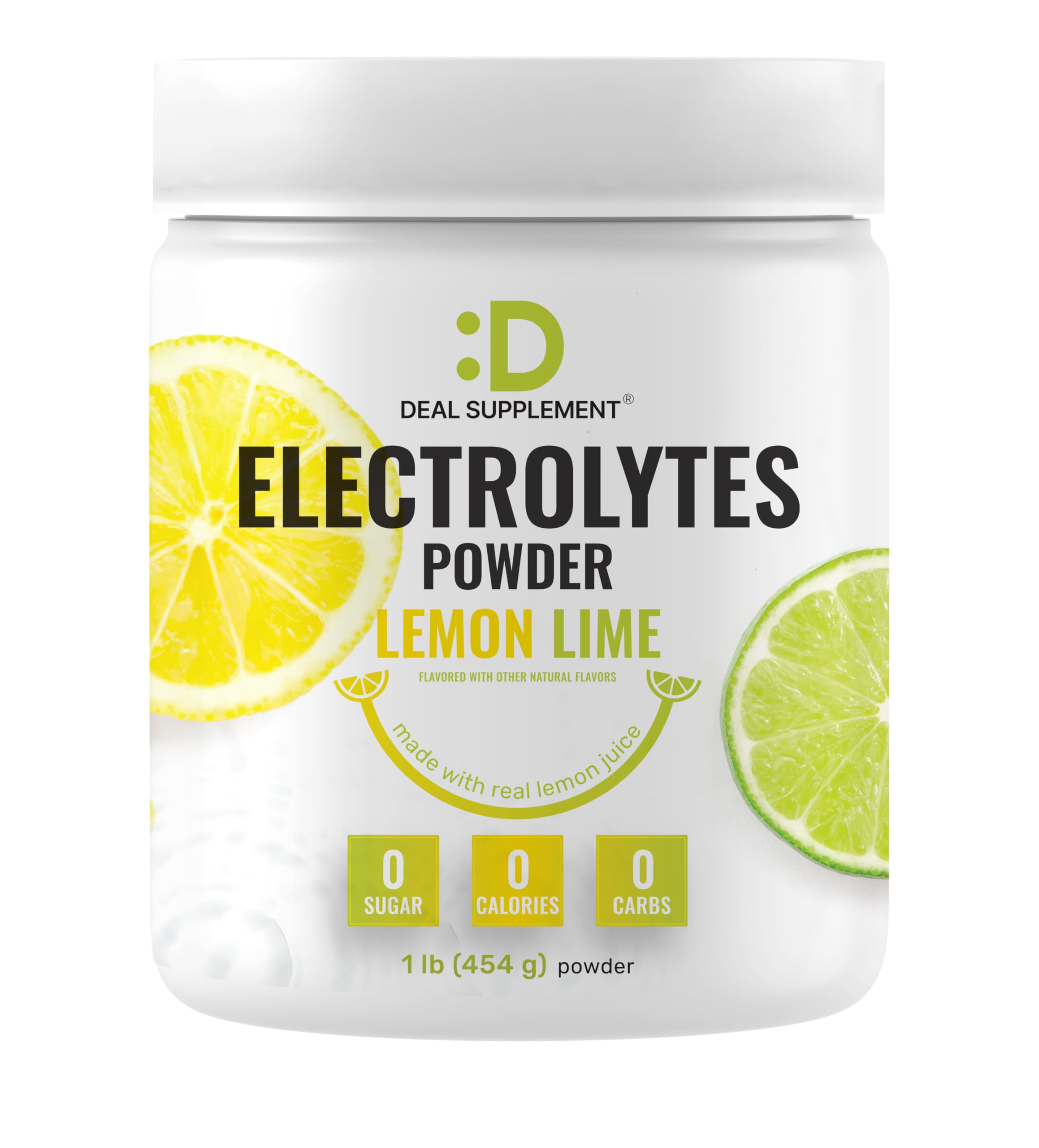
Printed on the package: NON GMO · LAB TESTED · GLUTEN FREE · SUGAR FREE
We read 12 lines from the package photograph. It is our transcript of the label, not the manufacturer’s panel, and it may be incomplete.
The public sources did not settle the marketing promises on this label.
Published research exists for ingredients in this formula. Whether this product’s doses match those studies could not be confirmed.
Ingredient research can support context, but it is not a trial of this exact product.
No named laboratory or lot-specific certificate was found for this exact product. A related brand page repeats a testing claim but names no issuer; its UPC is not published. NSF, IFOS, USP, and Informed-Sport were not checked in this record. This is a public-evidence limit, not a finding that testing did not occur.
We looked and found no public proof. That does not count against the product.
Headlines first. Open evidence only when you want the source trail.
You are being sold on an ingredient the verified panel does not separately declare. The brand should explain the mismatch.
The listing presents 1,000 mg for potassium, but vision:google/gemini-2.5-flash does not contain a same-name quantified row. The saved image read may be incomplete, so this is a specific question to resolve rather than a contradiction.
Locked evidence record →Open the full source-linked findingEvery ingredient shows its real amount — nothing is hidden in a proprietary blend.
The panel gives a per-ingredient amount rather than hiding quantities inside a proprietary blend, so each one can be compared to published research.
Locked evidence record →Open the full source-linked findingThese are evidence gaps, not strikes against the product.
We could not match an amount on this product to a studied range for the same ingredient, so these links are ingredient background rather than a measurement of this product.
Not a score. Studies disagree with each other and change over time, so this sits beside the evidence rather than counting toward it — it is here so you can read the sources yourself.
The panel lists 100 mg of magnesium per serving. Studies we found used 200 mg–420 mg a day, so this sits below that range.
Study ranges differ between trials and change as research changes. This is background reading, not a pass, a failure, or a recommendation.
$0.35 per labeled serving
matching UPC/GTIN · checked Aug 29, 2026
View on Amazon ↗Official shopping lead; excluded from exact price comparisons.
Electrolytes Powder, 1lb – Lemon Lime Flavor – Daily Electrolyte Drink Mix · Default Title. Confirm the package UPC/GTIN before buying.
Check brand website ↗We only show a price when the seller publishes the same barcode as the bottle. We haven’t found that match here.
Search iHerb ↗We only show a price when the seller publishes the same barcode as the bottle. We haven’t found that match here.
Search Target ↗We only show a price when the seller publishes the same barcode as the bottle. We haven’t found that match here.
Search Walmart ↗Only one exact price was available at build time; prices change by date, seller, and promotion.
The brand-page price is shown as a shopping lead only. It is excluded from the exact-product price difference because the page does not publish this record's matching UPC/GTIN.
The observed listing and related brand page repeat 69 servings, 1,000 mg. That confirms cross-page consistency of the published claim, not the product contents.
Reference prices only · no affiliate links · every compared seller must publish the matching UPC/GTIN.
The full report shows every source, the exact unresolved question, and the documentation that would settle it.
Record built September 03, 2026. Sources: source listing observed at check time · USPTO Trademark Search · Keepa exact-listing history · NIH / published research · certification and regulator records where available. LookCloser publishes evidence and gaps; it does not advise for or against any supplement. Evidence-based corrections welcome.