Does the marketing hold up?
Package and trademark records name different responsible entities. The package says manufactured for: Nature Bell, 4951 Holt Blvd, Suite C, Montclair, CA 91763. USPTO names Nature Bell, Inc. as the exact wordmark owner. …
Is the dose real?Panel read — dose not verified12 ingredients listed; no advertised amount we could confirm against them
What a serving costs$0.10per serving, at the checked price
Is it tested?Claimed — no lab or certificate found
Who’s behind it?🇺🇸Nature Bell, Inc.corporation · CALIFORNIA, USA
Is it the real thing?✓Barcode matches outside records
Trouble on record?Recall check not run yeta gap in our records, not a finding about the product
The label itself
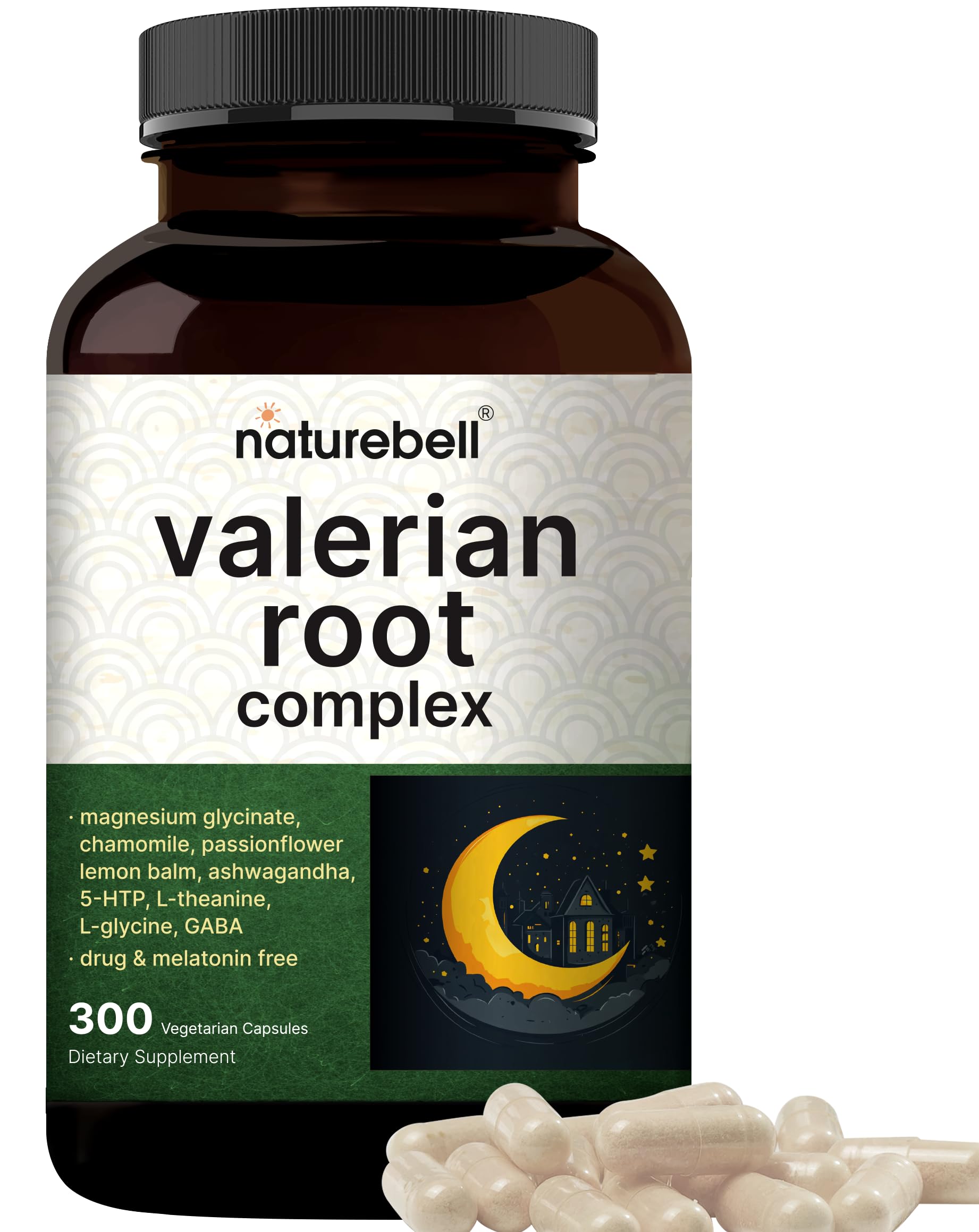
What the Supplement Facts panel says
Serving size Serving Size 2 Vegetarian Capsules · 150 servings per container
| Vitamin B6 (as Pyridoxine Hydrochloride) | 10 mg |
|---|
| Magnesium (as Magnesium Glycinate) | 70 mg |
|---|
| Valerian Extract (Valeriana officinalis) (root) | 500 mg |
|---|
| Magnesium Glycinate | 200 mg |
|---|
| Chamomile Extract (Matricaria chamomilla) | 10 mg |
|---|
| Ashwagandha Extract (Withania somnifera) (root) | 8 mg |
|---|
| Passionflower Extract (Passiflora incarnata) | 10 mg |
|---|
| Lemon Balm Extract (Melissa officinalis) (leaf) | 15 mg |
|---|
| L-Theanine | 50 mg |
|---|
| L-Glycine | 20 mg |
|---|
| GABA | 10 mg |
|---|
| 5-HTP (5-hydroxytryptophan) | 10 mg |
|---|
Printed on the package: Veggie Capsules · Melatonin Free · Drug Free · vitamin angels · PROUD SUPPORTER · THIRD-PARTY LAB TESTED
We read 12 lines from the package photograph. It is our transcript of the label, not the manufacturer’s panel, and it may be incomplete.
Who owns the brand wordmark?
🇺🇸Nature Bell, Inc.Corporation · exact supplement-class mark for NATUREBELL
Filed address
4951 Holt Blvd, Suite C, Montclair, California 91763, UNITED STATES
USPTO identifies the public owner or applicant behind this brand wordmark. This does not by itself identify the product manufacturer or prove where the product was made. Open USPTO source ↗
Background reading
What the research says about these amounts
Not a score. Studies disagree with each other and change over time, so this sits beside the evidence rather than counting toward it — it is here so you can read the sources yourself.
The panel lists 70 mg of magnesium per serving. Studies we found used 200 mg–420 mg a day, so this sits below that range.
0studied 200 mg–420 mg
Study ranges differ between trials and change as research changes. This is background reading, not a pass, a failure, or a recommendation.
The panel lists 8 mg of ashwagandha per serving. Studies we found used 250 mg–600 mg a day, so this sits below that range.
0studied 250 mg–600 mg
Study ranges differ between trials and change as research changes. This is background reading, not a pass, a failure, or a recommendation.
Record built September 03, 2026. Sources: source listing observed at check time · USPTO Trademark Search · Keepa exact-listing history · NIH / published research · certification and regulator records where available. LookCloser publishes evidence and gaps; it does not advise for or against any supplement. Evidence-based corrections welcome.